6 აგვისტო, 2026
ნაწლავების ჯანმრთელობისთვის — 12 პროდუქტის მარტივი ყოველდღიური სია
სტატიაში არის პარტნიორული ბმულები. თუ მათი მეშვეობით იყიდით, მე მცირე საკომისიოს მივიღებ — თქვენთვის ფასი იგივე რჩება.
ნაწლავები მხოლოდ ვახშმის მონელებით არ არიან დაკავებული. მათში ცხოვრობს იმუნური სისტემის დიდი ნაწილი, იქვე გამომუშავდება ზოგიერთი ვიტამინი და ტრილიონობით ბაქტერია ყოველდღე ჩუმად აკეთებს თავის საქმეს.
კარგი ამბავი: რთული პროტოკოლი არ სჭირდებათ. თითქმის ყველაფერი, რაც ეხმარება, ჩვეულებრივი საკვებია ნებისმიერი ბაზრიდან.
აი, რა დგას მართლა ამ სიაში — და, არანაკლებ მნიშვნელოვანი, რაზეც შეიძლება აღარ ინერვიულოთ.
დაიწყეთ ბოჭკოთი და არა დანამატებით
თუ მხოლოდ ერთ რამეს შეცვლით, ეს შეცვალეთ.
ნაწლავის ბაქტერიების უმეტესობა ბოჭკოთი იკვებება — სწორედ იმ ნაწილით, რომელიც მსხვილ ნაწლავამდე მოუნელებელი აღწევს. მის გარეშე ბაქტერიული საზოგადოება თხელდება, რასაც არ უნდა აკეთებდეთ სხვას.
1. შვრია. ბეტა-გლუკანი, ხსნადი ბოჭკო, ზუსტად ის არის, რასაც სასარგებლო ბაქტერიები ფერმენტაციას უკეთებენ. ერთი თეფში ფაფა ყველაზე იაფი ასეთი საუზმეა.
2. პარკოსნები — ოსპი, მუხუდო, ლობიო. ბოჭკოს ერთ-ერთი ყველაზე მდიდარი წყარო საერთოდ. თუ თავიდან შებერვას იწვევს, დაიწყეთ პატარა ულუფებით: რამდენიმე კვირაში ნაწლავები ჩვეულებრივ ეგუებიან და რეაქცია ქრება.
3. ხახვი, ნიორი და პრასი. მათში ინულინია — პრებიოტიკული ბოჭკო. ბევრი არ სჭირდება: ის რაოდენობა, რაც ჩვეულებრივ სუპის საფუძველში მიდის, უკვე საკმარისია.
4. მწვანე ბანანი — ოდნავ მოუმწიფებელი. მასში ბევრი რეზისტენტული სახამებელია, რომელიც ბოჭკოსავით იქცევა. იგივე ეხება მოხარშულ და გაცივებულ კარტოფილსა და ბრინჯს: გაცივება ცვლის სახამებლის სტრუქტურას. კარტოფილის სალათს, გამოდის, ფარული უპირატესობა აქვს.
ფერმენტირებული: ცოცხალი ნაწილი
ბოჭკო კვებავს იმ ბაქტერიებს, რომლებიც უკვე გყავთ. ფერმენტირებული პროდუქტები ახლებს მოიყვანს.
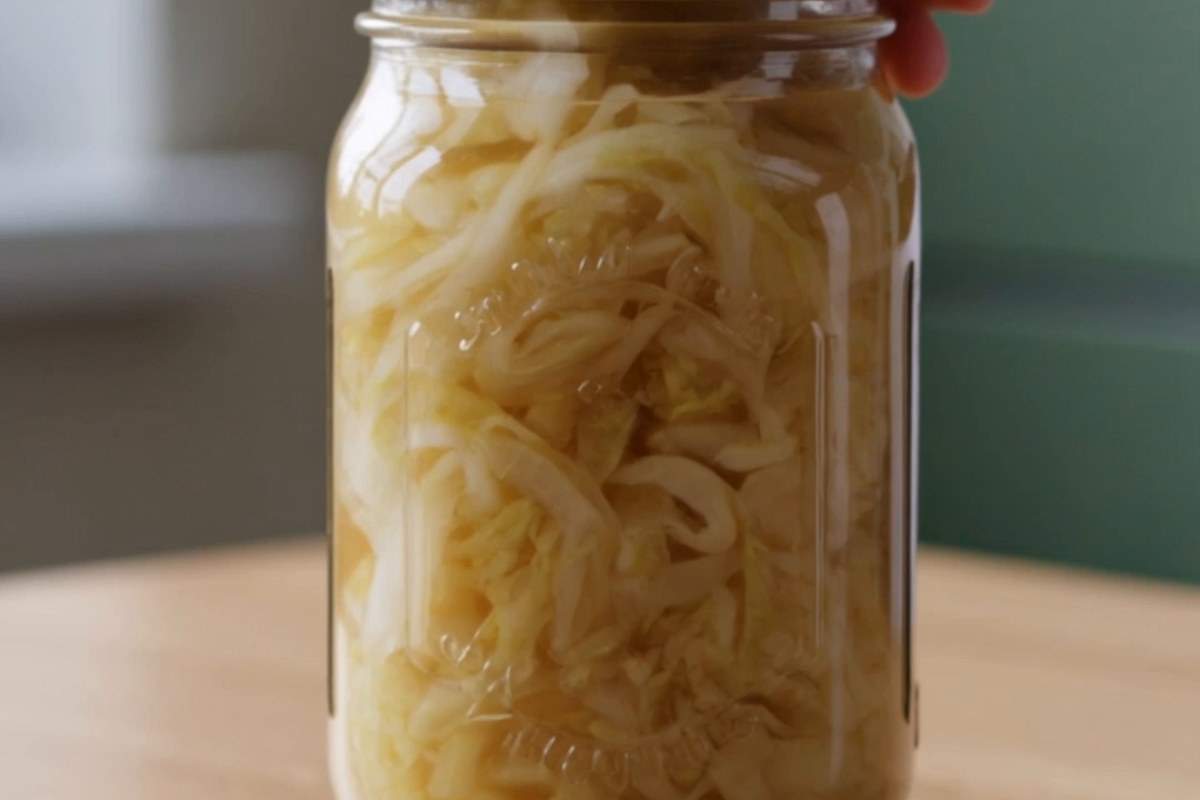
5. მჟავე კომბოსტო და კიმჩი. ეძებეთ არაპასტერიზებული, მაცივრის დახლზე. დიდი ვადის ქილები ჩვეულებრივ თერმულადაა დამუშავებული, ეს კი კლავს ცოცხალ კულტურებს — ბოსტნეული კარგი რჩება, პრობიოტიკი აღარ არის.
6. კეფირი. უფრო ფართო შტამებს შეიცავს, ვიდრე იოგურტების უმეტესობა. ლაქტოზა მასში რძეზე ნაკლებია, ამიტომ მას ბევრი ის იტანს, ვინც რძის პროდუქტებს გვერდს უვლის.
7. ცოცხალი იოგურტი. ეძებეთ ეტიკეტზე „ცოცხალი კულტურები“ და მიხედეთ შაქარს: ბევრ ხილიან იოგურტში ის დესერტზე მეტია.
8. მისო და ტემპე. ფერმენტირებული სოია და მარტივი შესასვლელი მათთვის, ვისაც რძის პროდუქტები არ უხდება. მისო ბოლოს დაამატეთ — დუღილი კულტურებს კლავს.
რაოდენობაზე: ცოტა ყოველდღე სჯობს ბევრს კვირაში ერთხელ. აქ რეგულარობა მოცულობაზე მეტს ნიშნავს.
პოლიფენოლები — დაუფასებელი ჯგუფი
9. კენკრა. მოცვი, ჟოლო, შავი მოცხარი. მათი პოლიფენოლები საწვავია ზოგიერთი სასარგებლო ბაქტერიისთვის. გაყინული არანაკლებ მუშაობს და შესამჩნევად ნაკლები ღირს.
10. არარაფინირებული ზეითუნის ზეთი. ისევ პოლიფენოლები, პლუს ცხიმები, რომლებიც ცხიმხსნადი ვიტამინების შეწოვაში გეხმარებათ. გამოიყენეთ ცივად, უკვე მზა კერძში — ასე ნაერთები ხელუხლებელი რჩება.
11. თხილეული და თესლი. ბოჭკო, სასარგებლო ცხიმები და პოლიფენოლები ერთ მუჭაში. განსაკუთრებით კარგია სელი და ჩია: მათში არსებული ხსნადი ბოჭკო მართლაც რბილია საჭმლის მონელებისთვის.
12. მუქი შოკოლადი, 70% და მეტი. ეს სიის ბოლოს ხუმრობა არ არის. კაკაოს პოლიფენოლები მსხვილ ნაწლავამდე თითქმის ხელუხლებელი აღწევს და იქ ფერმენტდება. ორი ნაჭერი და არა ფილა.
რა ღირს მართლა შეიზღუდოს
სია მოკლეა და ეს განზრახაა. აკრძალვების გრძელი ჩამონათვალი იშვიათად უძლებს ჩვეულებრივ ცხოვრებასთან შეხვედრას.
- ულტრადამუშავებული პროდუქტები. ინდუსტრიული საკვების ემულგატორები და დანამატები, მონაცემებით, ბაქტერიულ ბალანსზე მოქმედებს. ეს ყველაზე ძლიერი ბერკეტია — უფრო ძლიერი, ვიდრე ყველაფერი, რისი დამატებაც შეიძლება.
- ალკოჰოლი რაოდენობით. ერთი ჭიქა ღვინო იშვიათად ერთია, რეგულარული მოხმარება — სხვა.
- შაქარი იმ მოცულობით, რაც ჩვეულებრივ პროდუქტებშია დამალული: სოუსები, მზა საუზმეები, დანამატიანი იოგურტები.
სულ ეს არის. გლუტენის, ძაღლყურძენასებრთა თუ რძის პროდუქტების შიში საჭირო არ არის, თუ პირადად თქვენ მათზე რეაქცია არ გაქვთ.
ააწყვეთ კვირა და არა წესი
როგორ გამოიყურება ეს პრაქტიკაში, სამზარეულოს პროექტად ქცევის გარეშე:
დილა. ფაფა გაყინული კენკრით და ერთი კოვზი თესლით. ან კეფირი. სადილი. ის, რასაც ჩვეულებრივ ჭამთ, პლუს პარკოსნების გარნირი ან ფერმენტირებული ბოსტნეული. ვახშამი. ბოსტნეული ზეითუნის ზეთით. ხახვი ან ნიორი საფუძველში. საღამო. ორი ნაჭერი მუქი შოკოლადი, თუ გინდათ.
ეს დღეში დაახლოებით ექვსი-შვიდი პოზიციაა სიიდან — და არც ერთი სპეციალური შენაძენი.
სად არის დანამატების ადგილი და სად — არა
ჯერ საკვები. დანამატი, რომელიც ულტრადამუშავებულ პროდუქტებზე აგებულ რაციონს ანაზღაურებს, არ არსებობს, და ვინც საწინააღმდეგოს ამბობს, რაღაცას ყიდის.
მაგრამ არის სიტუაციები, სადაც თეფში მართლა არ ჰყოფნის:
- ანტიბიოტიკების კურსის შემდეგ. ისინი მავნე ბაქტერიებს სასარგებლოსგან არ არჩევენ.
- მოგზაურობისას. სხვა წყალი, სხვა საკვები, არეული რეჟიმი.
- ხანგრძლივი სტრესის პერიოდში — ის საჭმლის მონელებაზე იმაზე მეტად მოქმედებს, ვიდრე ჩვეულებრივ ჰგონიათ.
- როცა ფერმენტირებულის რეგულარულად ჭამა უბრალოდ არ გამოდის — ჩვეულებრივი ამბავი დატვირთული გრაფიკის დროს.
ასეთ შემთხვევებში პრობიოტიკი გონივრული დამატებაა. ჩემთან ხელთ არის კაფსულები MICROCORE™ კომპლექსით, დღეში ერთი საუზმესთან ერთად.
თანმიმდევრობა კი მნიშვნელოვანია და ღირს გამეორება: ჯერ საკვები, მერე დანამატი. პრობიოტიკის კაფსულა ბოჭკოსა და ფერმენტირებული ბოსტნეულის რაციონის გვერდით გონივრული დამატებაა. იგივე კაფსულა ამ რაციონის ნაცვლად უბრალოდ ძვირი ჩვევაა.
მოკლედ
ჭამეთ ბოჭკო ყოველდღე. დაამატეთ რაიმე ფერმენტირებული დღეების უმეტესობაში. შეამცირეთ ულტრადამუშავებული. მიეცით საკუთარ თავს რამდენიმე კვირა — ბაქტერიული საზოგადოებები თანდათან იცვლება და არა ერთ ღამეში.
და მშვიდად მოეკიდეთ პირველი დღეების შებერვას, თუ ბოჭკო მკვეთრად გაზარდეთ. ჩვეულებრივ ეს იმის ნიშანია, რომ პროცესი წავიდა და არა გაფუჭდა.
საკვები დანამატი არ არის მედიკამენტი. ის არ ცვლის მრავალფეროვან კვებას და ჯანსაღ ცხოვრების წესს. დაავადების ან მედიკამენტების მიღების შემთხვევაში ექიმს გაესაუბრეთ.